A Guide to Charleston’s Historic Homes, Churches & Hidden Places
Some of Charleston’s most memorable places are easy to miss.
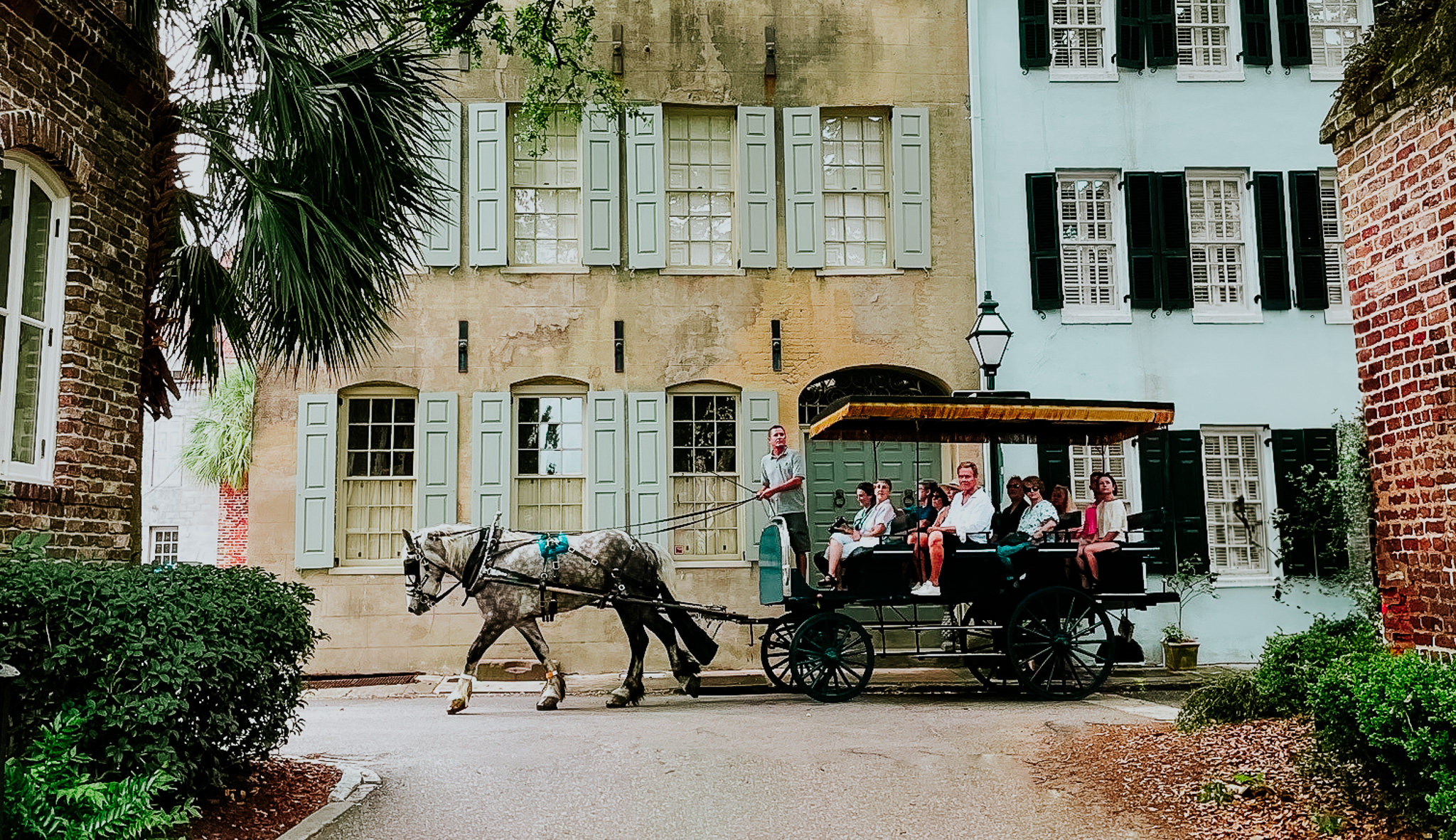
Beyond the grand homes and familiar landmarks are narrow alleys, hidden gardens, centuries-old churchyards, and quiet passages that reveal themselves slowly as you wander. Historic homes offer a glimpse behind Charleston’s doors, while the steeples that rise above the skyline tell stories of congregations that have shaped the city for generations.
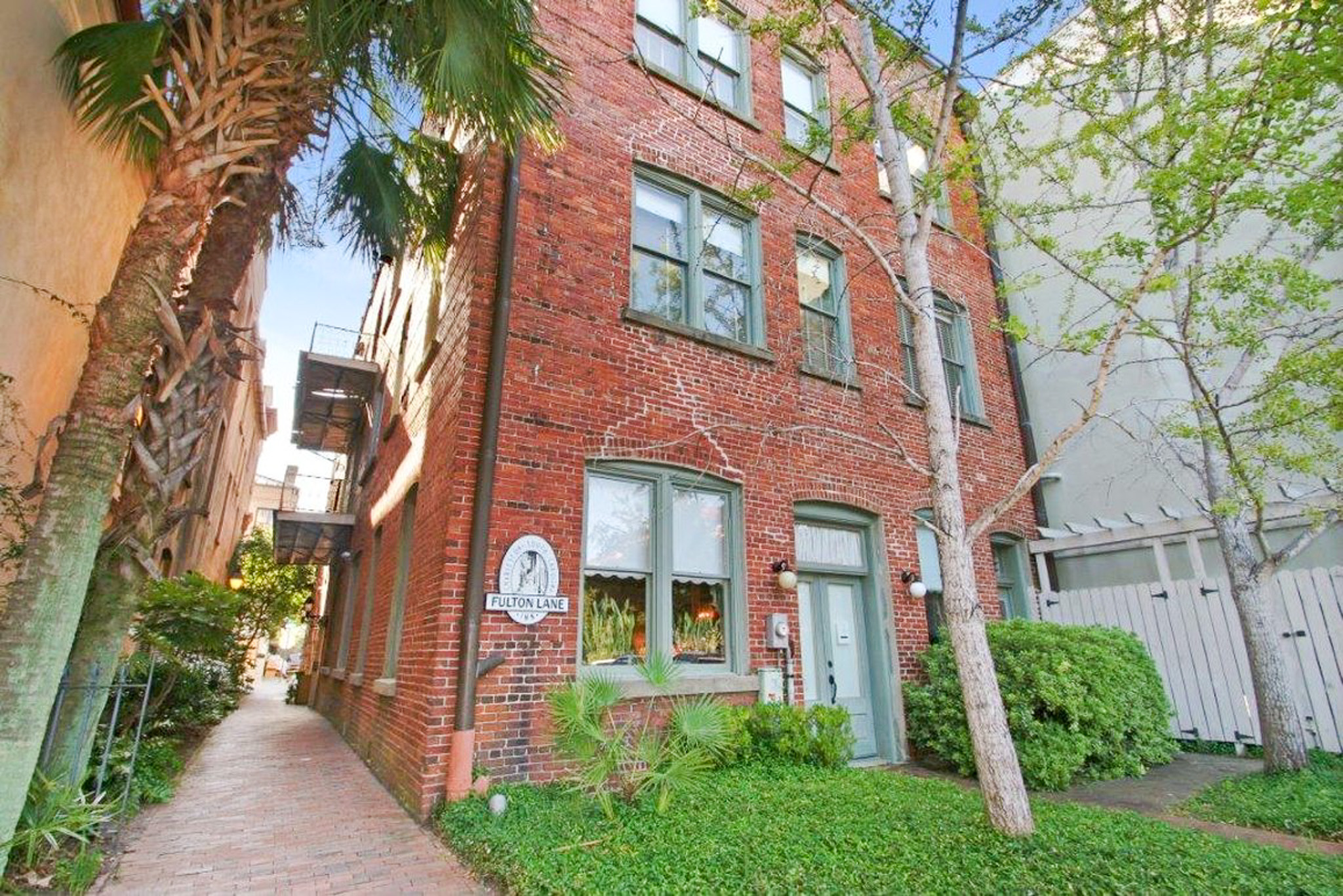
At Fulton Lane Inn, that sense of discovery begins right outside our door. The Inn itself is tucked just beyond King Street, where the energy of downtown gives way to a quieter lane. From here, you can set out on foot toward some of Charleston’s oldest homes and churches, slip down passageways you might otherwise walk past, and discover pieces of the city that aren’t always visible from its busiest streets.
You don’t need to see everything at once.Choose a direction. Look through an open gate. Turn down a street you haven’t walked before.
In Charleston, sometimes the places that stay with you are the ones you almost missed.
Wander Charleston’s Hidden Alleys
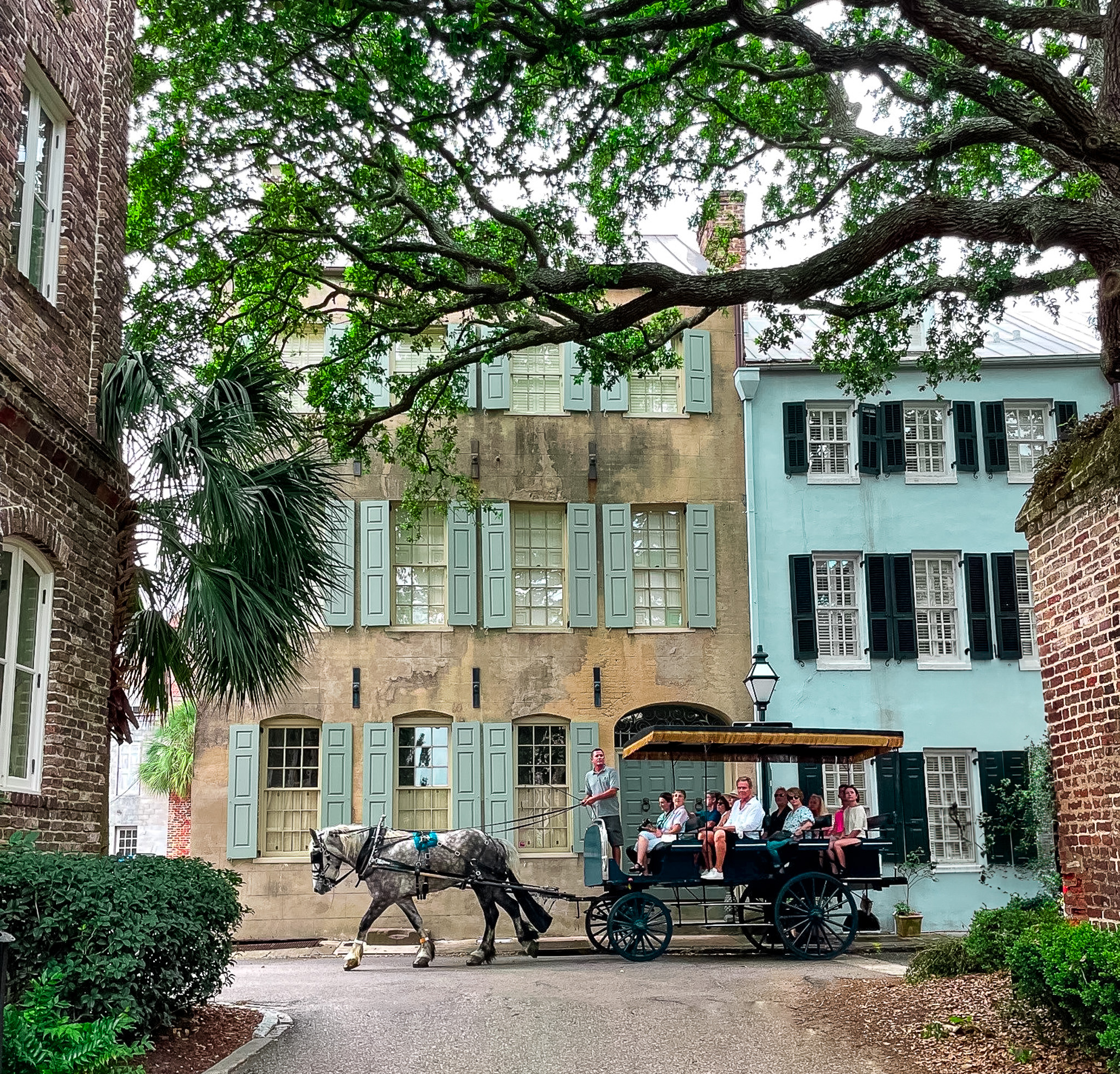
Some of Charleston’s most intriguing streets are barely streets at all.
Narrow lanes and passageways weave between historic homes, gardens, churches, and centuries-old walls, offering quieter glimpses of the city away from its more familiar routes.
Philadelphia Alley stretches for a single block between Church and State streets, while nearby Stoll’s Alley narrows to just a few feet in places, with wrought-iron gates and greenery tucked along the way. Farther south, Longitude Lane and Bedon’s Alley offer similarly intimate passages through some of Charleston’s oldest neighborhoods.
There’s no need to seek out every alley in a single walk. Turn down one when you happen upon it. Notice the brick beneath your feet, the ironwork along a garden gate, or the way a narrow passage suddenly opens onto another Charleston street. Part of their charm is simply finding them.
Create Your Own Historic Walk
Charleston’s history often reveals itself along the way. The Preservation Society of Charleston’s interactive Historic Marker Map makes it easy to explore at your own pace, with nearly 150 markers highlighting historic buildings, people, places, and events throughout the city. Use the map to choose a few stops or simply see what you discover as you wander.
Explore More on Foot
Many of Charleston’s most memorable discoveries are closer than you might think. Explore our Charleston Within a 15-Minute Walk Guide for more attractions, local favorites, and landmarks just steps from Fulton Lane Inn.
Discover our complete guide to Charleston’s Alleys & Secret Passageways →
Step Inside Charleston’s Historic Homes
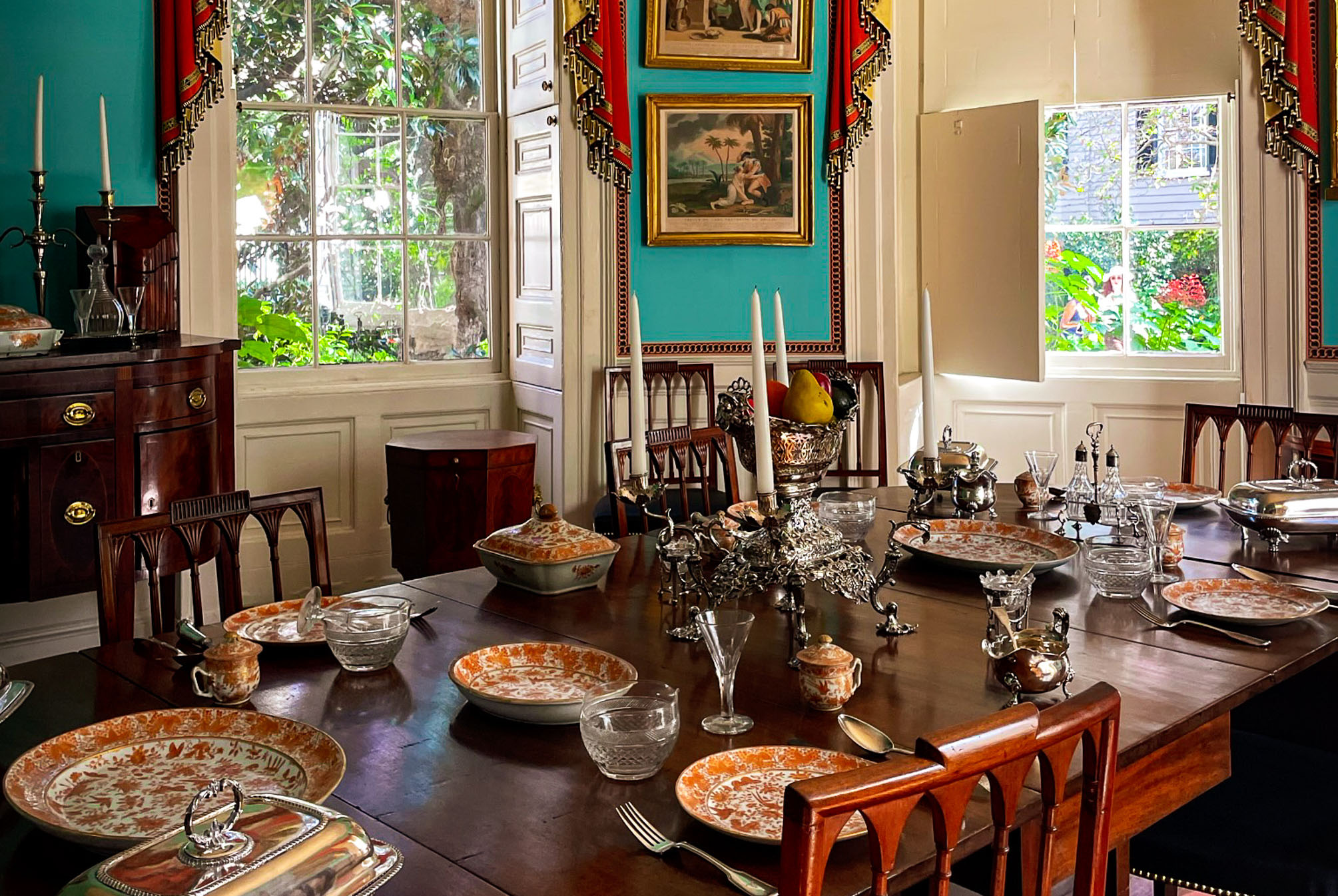
The Nathaniel Russell House on Meeting Street is known for its graceful architecture and remarkable three-story cantilevered staircase. Farther along the Battery, the Edmondston-Alston House offers a look at life within a Charleston family home while also interpreting the experiences of the enslaved people who lived and worked there.
The Aiken-Rhett House offers a very different experience. Rather than restoring the property to a single period, much of the house and its outbuildings have been preserved in an “as-found” state, including spaces where enslaved people lived and worked.
You don’t need to tour every historic house to appreciate this part of Charleston.
Choose one that interests you and give yourself time to move slowly through it. The rooms, gardens, architecture, and stories within can add another layer of meaning to the historic homes you’ll pass for the rest of your stay.
Want to explore more?
Discover our complete guide to Charleston’s historic homes →
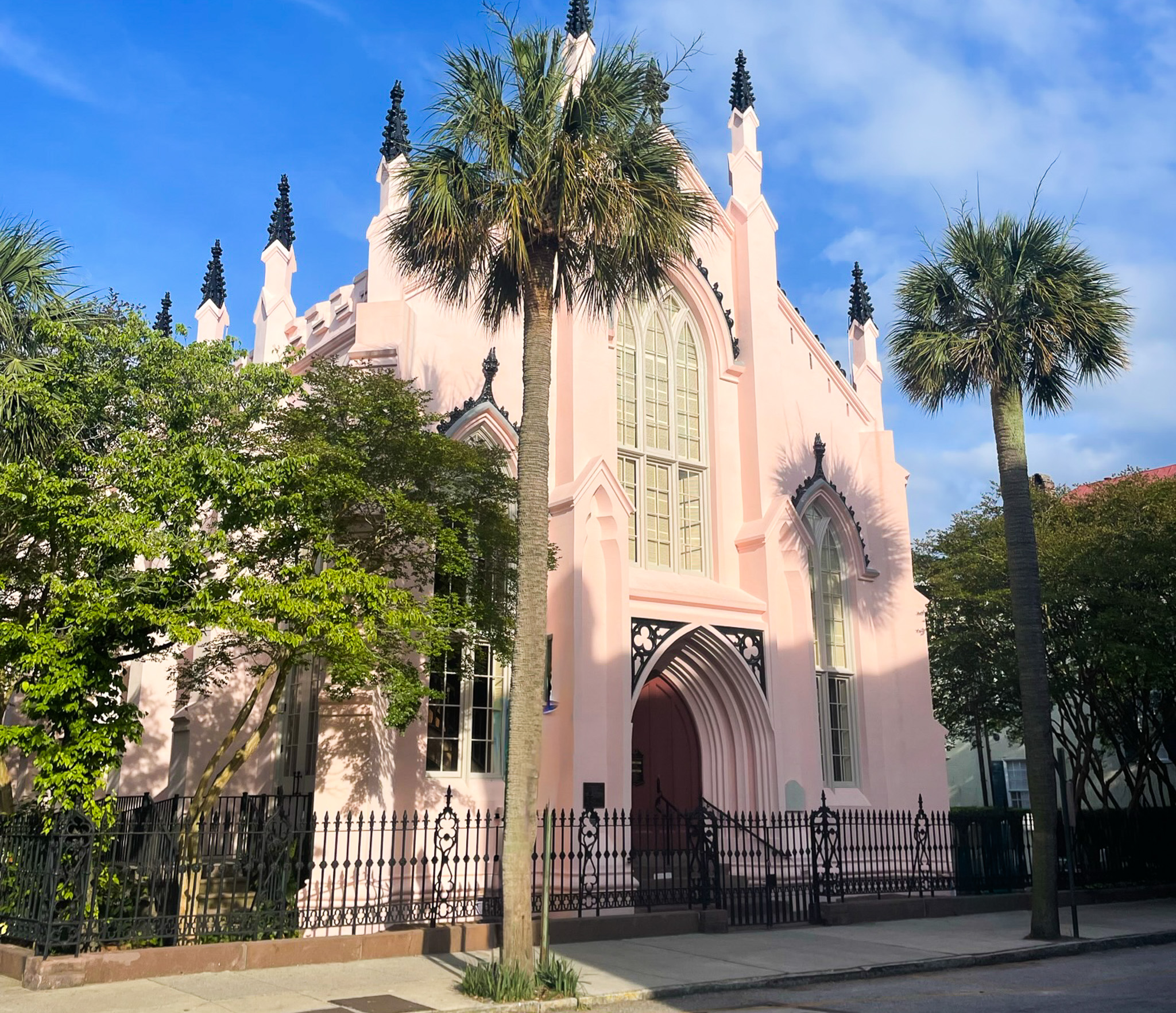
Look Up at the Holy City’s Steeples
Charleston’s nickname, the Holy City, comes to life as you walk its historic streets, where church steeples have shaped the skyline for centuries.
On Broad Street, St. Michael’s Church dates to the 1750s and stands at the historic Four Corners of Law. Continue toward Church Street and the steeple of St. Philip’s Church rises above the surrounding rooftops, marking a congregation whose roots reach back to Charleston’s earliest years.
Nearby, the distinctive Gothic Revival French Huguenot Church represents another part of Charleston’s religious history, with a congregation dating to the arrival of French Protestants in the late 17th century.
Even if you never step inside, these churches are part of the experience of walking Charleston. Their steeples appear unexpectedly between buildings, their churchyards offer quiet spaces along busy streets, and their histories are woven into the neighborhoods around them.
Want to explore more?
Discover our complete guide to Charleston’s historic churches →
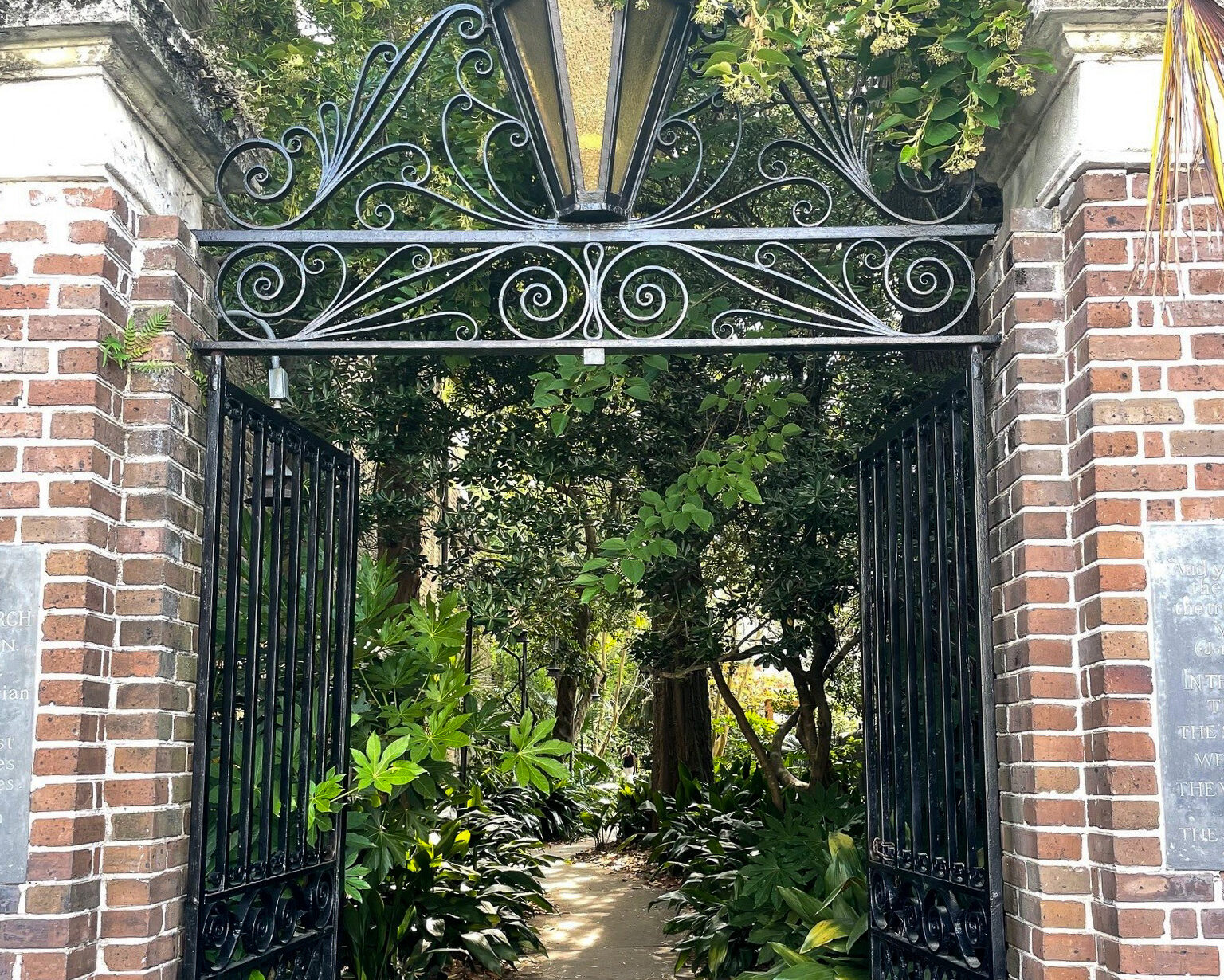
Follow the Gateway Walk
Some of Charleston’s hidden places are connected by a path designed specifically for wandering.
The Gateway Walk winds through churchyards, gardens, and historic spaces in the heart of downtown. Established by the Garden Club of Charleston in 1930, portions of the walk were designed by celebrated Charleston landscape architect Loutrel Briggs.
Along the way, wrought-iron gates open onto quiet pathways and shaded corners, creating the feeling that you’ve stepped away from the city even though you’re still surrounded by it.
That contrast is part of what makes the walk so memorable.
Rather than treating the Gateway Walk as a destination to complete, take your time. Follow a path through an open gate, linger beneath the trees, and let one hidden space lead naturally into the next.
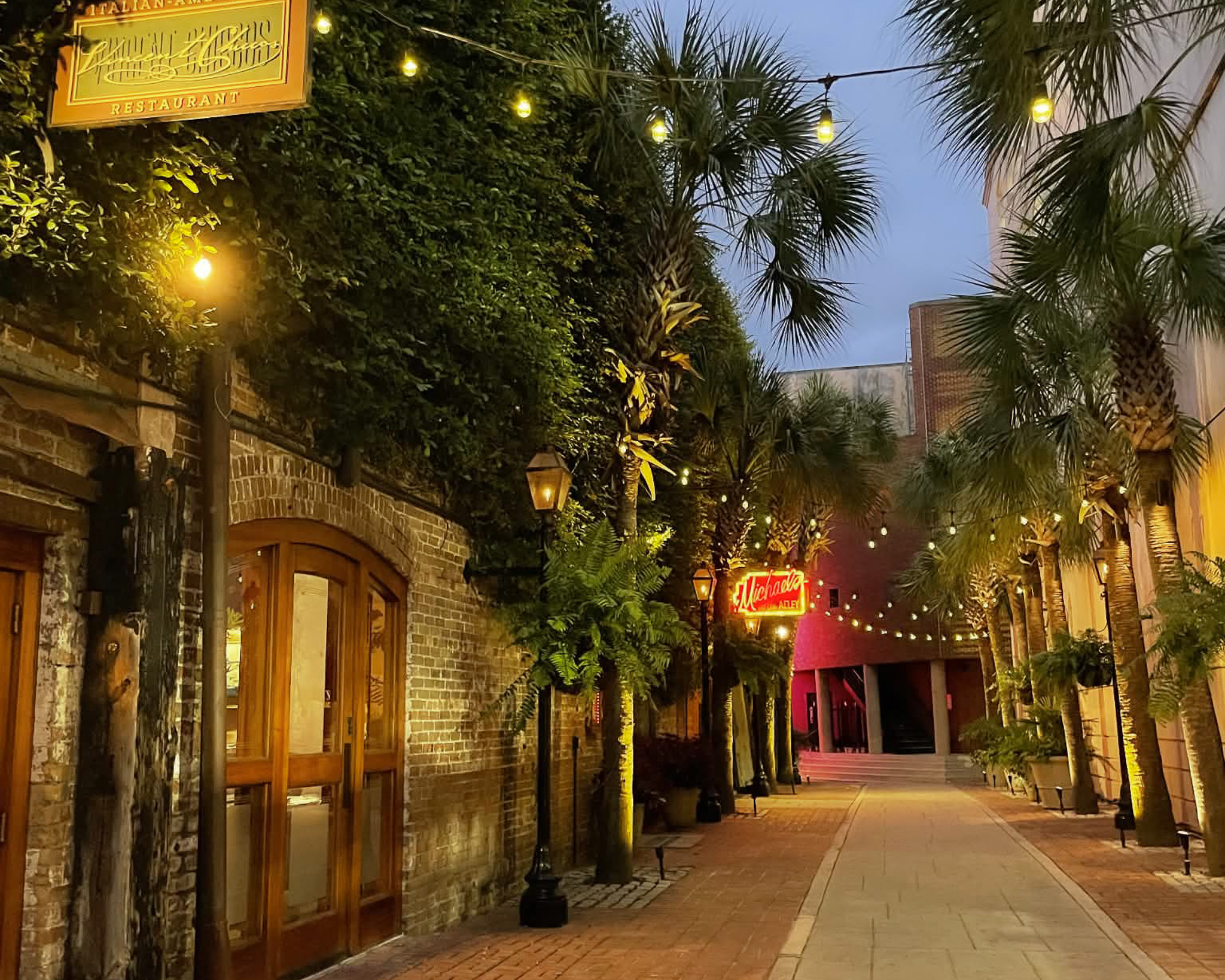
Discover Hutson Alley
Not every hidden corner of Charleston belongs only to the past.
Tucked just off King Street, Hutson Alley is a narrow pedestrian passage that offers a more contemporary take on Charleston’s historic alleyways. Brick buildings and intimate gathering spaces create a tucked-away setting that feels removed from the energy of King Street just beyond it.
Today, the alley is home to restaurants and places to gather, making it an easy detour while exploring downtown—or a destination for dinner after a day spent wandering Charleston’s historic streets.
There’s something fitting about discovering a place like Hutson Alley during a stay at Fulton Lane Inn. Both are reminders that in Charleston, stepping just beyond the busiest streets can lead somewhere entirely unexpected.

Return to Your Own Hidden Corner of Charleston
After wandering Charleston’s historic homes, churchyards, gardens, and tucked-away passageways, there’s something fitting about returning to Fulton Lane Inn.
Just beyond King Street, the Inn feels like another of the city’s hidden discoveries—a quiet retreat tucked into the middle of downtown, close to everything you came to Charleston to explore yet removed from the bustle just beyond the lane.
Settle into your room for a while, or walk next door to Kings Courtyard Inn for complimentary afternoon wine and hors d’oeuvres before heading out again for the evening.
Charleston rewards curiosity. Sometimes all it takes is turning down a quieter street, looking through an open gate, or following a path you hadn’t planned to take.
You never quite know what you’ll find.
Frequently Asked Questions
Popular historic homes open to visitors include the Nathaniel Russell House, Edmondston-Alston House, Aiken-Rhett House, Heyward-Washington House, and Joseph Manigault House. Each offers a different perspective on Charleston’s architecture and history.
Charleston is filled with narrow alleys, garden paths, churchyards, and tucked-away passages. Philadelphia Alley, Stoll’s Alley, Longitude Lane, Gateway Walk, and Hutson Alley are a few places worth discovering while exploring downtown on foot.
Philadelphia Alley is one of Charleston’s best-known historic passages, while Stoll’s Alley, Longitude Lane, Bedon’s Alley, and St. Michael’s Alley offer quieter walks through the historic district.
Charleston has long been known for its many historic churches and prominent steeples, which remain defining features of the city’s skyline. St. Michael’s Church, St. Philip’s Church, and the French Huguenot Church are among the historic churches visitors can encounter downtown.
The Gateway Walk is a historic pedestrian route through churchyards, gardens, and other tucked-away spaces in downtown Charleston. Created by the Garden Club of Charleston in 1930, it offers a quieter way to experience the historic district.
Yes. Fulton Lane Inn is tucked just off King Street in Charleston’s historic district, putting many historic homes, churches, alleys, and hidden places within walking distance of the Inn.
Continue Exploring Charleston
Every stay at Fulton Lane offers an opportunity to discover another side of Charleston. Explore our collection of curated guides for insider recommendations, local favorites, and memorable experiences throughout the Holy City.